 Krist S
A few years ago, this was easy. You bought an Apple Watch Series if you have an iPhone. Maybe a Samsung Galaxy Watch if you use Android. Done.
Now? Absolute mess.
Every brand claims their watch tracks sleep better, trains smarter, lasts longer, reduces stress, boosts productivity, and somehow turns your morning walk into a professional athletic event. Half the marketing sounds like you’re buying a NASA health device instead of something that reminds you to stand up every hour.
And honestly, a lot of people are buying the wrong smartwatch for the wrong reasons.
That’s the real issue today. Not a lack of options. Too many options. Too many features nobody uses. Too much hype around AI coaching and “advanced wellness insights” when most people just want three things:
- Fewer reasons to grab their phone
- Better awareness of their health habits
- Something convenient enough to actually keep wearing
That’s why smartwatches still matter. Not because they’re futuristic anymore. Because modern life has become exhausting, and these little screens on our wrists quietly remove friction in ways phones don’t. But not every smartwatch deserves your money.
Some are fantastic. Some are overpriced notification machines with mediocre battery life. Some are basically fitness trackers wearing luxury packaging. So before buying one this year, here’s what actually matters now — and what’s mostly marketing noise.
Why Are Smartwatches Worth It in 2026?
Smartwatches are popular because they help users:
- Track sleep, stress, and heart health
- Reduce phone screen time
- Receive notifications instantly
- Make contactless payments
- Monitor workouts and recovery
- Navigate without pulling out a phone
- Answer calls on the go
- Improve daily productivity and convenience

Why People Are Buying Smartwatches Again
The strange thing about smartwatches is that they accidentally became an antidote to smartphones. That sounds backwards. But it’s true.
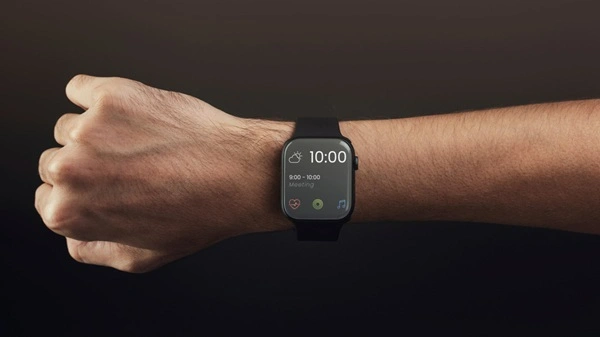
People are burned out from constantly checking their phones. Every glance turns into:
- Instagram reels
- Slack messages
- Random emails
- Group chats
- Doomscrolling
- “Just checking one thing.”
Twenty minutes disappear instantly.
A smartwatch interrupts that loop.
You glance at your wrist. Decide whether something matters. Move on.
That tiny behavioral shift is the entire reason smartwatches stopped feeling gimmicky and started becoming useful.
Especially for people trying to:
- Reduce screen time
- Stay focused at work
- train consistently
- Manage ADHD distractions
- Avoid pulling phones out in social settings
- Separate “important” notifications from digital junk
Nobody buys a smartwatch thinking:
“This will slightly improve my daily cognitive load.”
But that’s basically what ends up happening.
Interestingly, this shift isn’t just about fitness or convenience anymore. Smartwatches are increasingly being used as tools to reduce phone dependency and control attention. That behavioral shift is explored further in People Are Trying to Use Their Phones Less — Here’s What’s Actually Working.
The Biggest Smartwatch Trend: Passive Health Tracking
This is where wearables changed dramatically.
Fitness tracking used to be performative. Remember the 10,000-step obsession? Everyone is pacing around kitchens at 11:47 PM trying to close activity rings for no reason.
Now the focus is on recovery.
People care more about:
- Sleep quality
- Stress levels
- Resting heart rate
- Recovery readiness
- Energy trends
- Nervous system fatigue
That shift changed smartwatch design completely.
Modern watches from Garmin, Apple, Samsung, and Google now spend more time analyzing recovery than counting steps.
And honestly, some of the data gets uncomfortably accurate.
People notice patterns fast:
- Terrible sleep after alcohol
- Elevated stress during heavy workloads
- Poor recovery after late-night scrolling
- Declining energy during travel
- Resting heart rate spikes before getting sick
That last one surprises people constantly.
A lot of users now catch illnesses earlier because wearable sensors notice physiological changes before symptoms fully hit.
Not perfectly. These devices are still consumer tech, not medical equipment. But compared to even three years ago, the improvement is massive.

Sleep Tracking Became the Feature People Care About Most
Nobody expected this. Not workouts. Not notifications. Sleep. That’s the feature people obsess over now. Mostly because modern lifestyles wreck sleep quality without people realizing it.
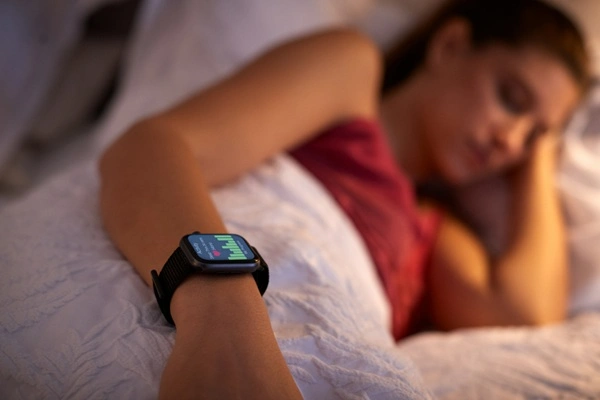
A smartwatch won’t magically fix that. But it exposes habits brutally fast.
You might think:
“I slept eight hours.”
Then your watch shows:
- Fragmented sleep cycles
- Elevated overnight stress
- Low deep sleep
- Constant waking
- Poor recovery score
Suddenly, the 1 AM TikTok binge and espresso martini at dinner make more sense. This is also where AI started becoming genuinely useful instead of feeling like marketing filler.
Some wearables now provide:
- Personalized recovery recommendations
- Training adjustments
- Bedtime guidance
- Stress pattern analysis
- Early fatigue warnings
Not generic:
“Great job today!”
Actual contextual feedback.
For example:
“Your recovery is lower than usual after three nights of reduced deep sleep.”
That’s far more useful than old-school calorie tracking nonsense.
Most People Don’t Need a $900 Smartwatch
This part needs to be said more often. A lot of buyers massively overspend. Social media and tech YouTube turned smartwatches into status devices again. Suddenly, everyone thinks they need:
- Titanium cases
- Diving certifications
- Military-grade durability
- Ultra-advanced GPS systems
- Expedition modes
Meanwhile, their actual routine is:
- Office job
- Gym three times a week
- Coffee runs
- Spotify controls
- Notifications
That’s it.
For most people, the sweet spot is mid-range. The best smartwatch isn’t the one with the most features. It’s the one you’ll comfortably wear every single day without getting annoyed by:
- charging
- bulky design
- confusing menus
- inaccurate tracking
- laggy software
People underestimate comfort badly. If a watch feels heavy during sleep, you’ll stop wearing it overnight. Then sleep tracking becomes useless. Simple problem. Huge difference.
Apple Still Owns the Everyday Smartwatch Experience
For iPhone users, the Apple Watch Series still dominates everyday usability.
Not because it’s perfect.
Battery life still frustrates people sometimes. Especially travelers or heavy fitness users. Charging another device every day annoys a lot of owners.
But Apple remains absurdly good at ecosystem integration.
Small details matter:
- unlocking Macs automatically
- seamless AirPods switching
- Apple Pay reliability
- smooth notifications
- accurate haptics
- polished app support
It feels frictionless.
And frictionless tech usually wins.
The bigger shift lately is health positioning. Apple increasingly markets the watch less like a gadget and more like a wellness device.
Which, honestly, is smart branding.
Android Smartwatches Finally Feel Mature
Android smartwatch users suffered for years.
Laggy software. Weak app support. Terrible battery optimization. Random disconnects. Things improved dramatically recently.
The Samsung Galaxy Watch lineup feels far more polished now, especially with health tracking and performance improvements. Google’s wearable ecosystem has also matured enough that Android users no longer feel like second-class customers.
That said, fragmentation still exists.
Some watches work beautifully with Samsung phones but lose features elsewhere. Others prioritize fitness over smart features. Buyers need to pay attention to ecosystem compatibility now more than ever.
That’s where many people mess up. They buy based on reviews instead of lifestyle compatibility.
Garmin Quietly Built a Cult Following
This brand deserves more attention outside fitness circles. Garmin watches aren’t usually the flashiest. But people who own them become weirdly loyal. Mostly because battery life feels almost shocking compared to mainstream smartwatches.

Some Garmin devices last:
- 10 days
- 14 days
- sometimes longer
That changes user behavior completely. You stop thinking about battery anxiety.
Garmin also dominates recovery metrics and outdoor tracking. Runners, cyclists, hikers, Hyrox competitors, and endurance athletes rely heavily on the platform now.
But there’s a tradeoff.
Some Garmin watches still feel more “sports computer” than lifestyle product. The interface can feel clinical compared to Apple’s smoother experience.
Depends what matters more to you.
AI Smartwatch Features Are Finally Becoming Useful
Last year, most wearable AI felt gimmicky. Now it’s starting to become practical. The biggest difference? Passive intelligence.
Instead of asking AI questions constantly, watches now analyze behavioral patterns quietly in the background.
Things like:
- stress accumulation
- training strain
- sleep consistency
- energy patterns
- recovery trends
- movement habits
The watch becomes less reactive and more predictive.
For example:
- warning users about overtraining
- suggesting earlier sleep windows
- detecting unusual biometric patterns
- summarizing health trends weekly
- filtering notifications based on urgency
Some newer wearable systems are even integrating lightweight voice assistants tied to large language models for:
- message summaries
- quick replies
- schedule context
- reminders
- contextual recommendations
Still early. Still imperfect. But unlike previous smartwatch trends, this one actually feels like it has practical long-term potential.
The Hidden Downsides Nobody Talks About Enough
Smartwatches absolutely improve convenience. They also create new problems.
Notification Fatigue
Some people simply move phone addiction to their wrist.
Worst-case scenario:
- buzzing constantly
- compulsive checking
- stress spikes
- fragmented focus
A good smartwatch setup requires aggressive notification filtering. Otherwise, the watch becomes another distraction machine.
Health Anxiety
This is becoming more common.
Some users get overly obsessed with:
- sleep scores
- heart rate fluctuations
- recovery metrics
- calorie tracking
That constant monitoring can become mentally exhausting. Not every bad sleep score means your body is failing. Sometimes you just sleep badly because your upstairs neighbor decided midnight furniture assembly was a good idea.
Wearable data should guide awareness, not create paranoia.
Subscription Creep
A growing number of fitness platforms now lock advanced insights behind subscriptions.
That frustrates users badly.
You buy a $400-$800 device, then discover:
- deeper analytics
- coaching tools
- readiness scores
- historical data
…require monthly payments. This trend is getting worse across the wearable industry.
What Actually Matters When Buying a Smartwatch
Forget marketing. These are the things people genuinely notice after six months of ownership.
1. Battery Life
This changes satisfaction more than almost any feature.
People tolerate fewer features if battery life is strong.
They rarely tolerate terrible battery life for long.
2. Comfort
An uncomfortable smartwatch becomes drawer clutter fast.
Especially for sleep tracking.
Weight matters more than people expect.
3. Ecosystem Compatibility
This is huge.
A smartwatch should fit naturally into your existing devices and apps.
Switching ecosystems purely for a watch usually creates frustration.
4. Notification Management
The best smartwatches reduce interruptions.
They shouldn’t multiply them.
5. Health Accuracy
Not every wearable tracks data equally well.
Heart rate accuracy, sleep tracking reliability, and GPS performance vary massively between brands.
That matters if fitness or recovery tracking is important to you.
So, Are Smartwatches Worth it Today?
For most people, yes. But probably not for the reasons marketing departments push.
The real value isn’t:
- looking futuristic
- replacing your phone
- pretending to be an athlete
- tracking every calorie
It’s convenient.
Tiny daily frictions disappear:
- checking notifications
- paying for things
- navigating cities
- managing workouts
- tracking sleep
- staying connected without staring at a phone constantly
That cumulative effect is what makes smartwatches surprisingly sticky once people adapt to them.
And honestly, the best smartwatch experiences barely feel technological anymore. They feel invisible. You stop thinking about the watch itself. You just notice life feels slightly smoother with it on your wrist.
That’s probably why the category survived while so many other gadgets faded out. Not because smartwatches became revolutionary. Because they became useful.
A smartwatch is worth buying because it helps reduce phone dependence while improving convenience, health tracking, and daily productivity. Modern smartwatches can monitor sleep, heart rate, stress, workouts, notifications, payments, and recovery trends in real time. Many people now use smartwatches to manage screen time, track wellness habits, and stay connected without constantly checking their phones.
People Also Ask
Are smartwatches actually worth buying in 2026?
Yes, smartwatches are worth buying in 2026 for people who want better convenience, health tracking, and reduced phone dependence. Modern smartwatches help users monitor sleep, stress, workouts, notifications, payments, and daily habits without constantly checking their phones.
What is the most useful feature on a smartwatch?
For most users, the most useful smartwatch features are sleep tracking, notifications, contactless payments, heart rate monitoring, and fitness tracking. Many people also rely on smartwatches for GPS navigation and quick message previews during work or travel.
Do smartwatches improve health and fitness?
Smartwatches can help improve health awareness by tracking sleep quality, activity levels, heart rate trends, stress, and workout recovery. While they are not medical devices, they help many users identify unhealthy habits and stay more consistent with fitness routines.
Which smartwatch has the best battery life?
Brands like Garmin and Coros are known for long battery life, with some models lasting over one week on a single charge. Premium smartwatches like the Apple Watch Series and Samsung Galaxy Watch typically last one to three days depending on usage.
Can a smartwatch replace a smartphone?
A smartwatch cannot fully replace a smartphone for most people, but it can reduce how often users check their phones. Features like notifications, calls, navigation, payments, and voice assistants allow users to handle small daily tasks directly from their wrist.
What should I look for before buying a smartwatch?
Before buying a smartwatch, focus on battery life, comfort, health tracking accuracy, phone compatibility, water resistance, and notification management. The best smartwatch is usually the one that fits your daily habits rather than the one with the most advanced features.
Sources
- Apple Watch Official Site
- Samsung Galaxy Watch Official Site
- Garmin Smartwatches & Fitness Watches
- Google Pixel Watch Official Site
- Coros Wearables Official Site
- Amazfit Smartwatch Official Site
- Statista Wearable Technology Market Data
- IDC Worldwide Wearables Market Reports