 Jane
Jane
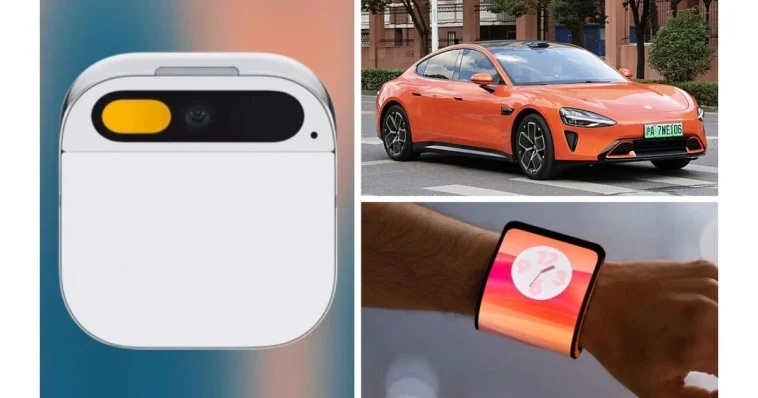
Every spring, Mobile World Congress transforms Barcelona into the center of the technology world. Phone makers, chip designers, car companies, and ambitious startups arrive with polished demos, bold claims, and devices pitched as the next big thing. Some of these launches go on to shape everyday life. Others shine briefly under bright stage lights before quietly fading from view.
As the industry gears up for another busy edition of the show, it is worth looking back at some of the most talked-about announcements from previous years. These products arrived with strong marketing, confident messaging, and plenty of hype. Many were praised for fresh ideas or futuristic designs. Years later, however, their real-world impact looks far different from what was promised on stage.
From wearable AI assistants to flexible phones, electric cars, and smart jewelry, these MWC tech launches highlight just how difficult it is to turn a clever concept into a product people actually want to use every day.
Why MWC Is A Launchpad For Big Ideas
Mobile World Congress has always been more than a smartphone showcase. It is a testing ground for ideas that companies are not yet ready to sell at scale. Brands use the event to measure public reaction, attract partners, and show technical ambition.
Some of the devices shown are early versions of products still years away from store shelves. Others are never meant to ship at all. Their job is to spark conversation, influence future design, or position a company as innovative.
This environment encourages risk-taking. Engineers and designers can push boundaries without worrying about immediate sales. The downside is that many of these bold ideas never progress beyond the prototype stage.
The Difference Between Concept And Reality
Turning a concept into a successful consumer product requires far more than a clever idea. Real-world devices must deliver clear value, work reliably, receive ongoing software support, and fit naturally into daily habits.
Many MWC launches struggle once they leave the controlled environment of a demo booth. Battery life issues appear. Software bugs surface. Hardware that looked impressive under supervision proves fragile or awkward in everyday use.
The following products show how quickly excitement can fade when those practical details are missing.
5 MWC Tech Launches That Failed After Huge Hype
1. Humane AI Pin
The Promise
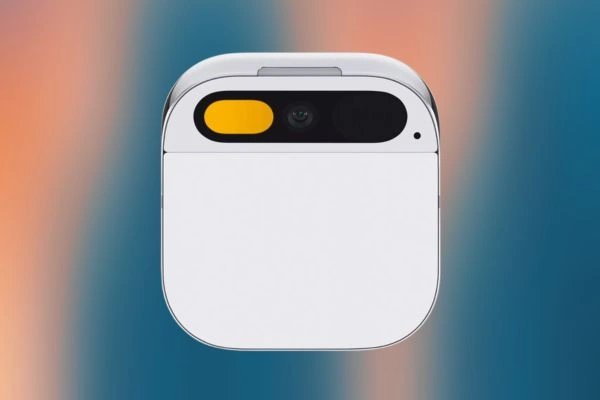
When the Humane AI Pin debuted at Mobile World Congress, it grabbed attention instantly. The idea was ambitious. A small wearable badge designed to replace the smartphone entirely.
Users could talk to the device, ask about schedules, weather, or sports scores, and receive answers through audio or a laser projection displayed on the palm. At a time when artificial intelligence was dominating tech headlines, the concept felt bold and futuristic.
No screen. No endless notifications. Just voice-driven interaction.
What Went Wrong
Reality proved far less exciting. Voice recognition was inconsistent, responses were often slow, and the projected display felt more like a novelty than a practical interface. Reviews pointed out that tasks such as sending messages or checking information were slower and less reliable than on a phone.
The device also launched at a high price and required a monthly subscription. That combination made it difficult to justify, especially when smartphones already handled the same tasks more effectively.
Eventually, Humane was acquired by HP, and the AI Pin itself stopped functioning.
Where It Stands Now
The AI Pin is now widely seen as a warning about overpromising. It showed that futuristic design and confident marketing cannot replace usability. It also reinforced how hard it is to convince people to abandon devices that already work well.
2. Motorola Rizr Rollable Phone
The Concept That Turned Heads
Motorola has a strong history of showcasing experimental hardware at MWC, and the Motorola Rizr was one of its most memorable ideas.
Instead of folding like other flexible phones, the Rizr featured a display that physically rolled upward from inside the device. With the press of a button, the screen expanded vertically, offering more space for videos, games, or reading.
It looked impressive in person and felt like a new approach to flexible displays.
Why It Never Launched
While the technology worked during demos, the challenges were obvious. Moving parts increase manufacturing costs and create durability risks. Dust, wear, and long-term reliability all raised concerns.
Motorola ultimately focused on simpler foldable designs, such as the Motorola Razr, which rely on fewer mechanical components.
Lasting Impact
Although the Rizr never became a consumer product, it helped spark broader discussions about expandable screens. Other companies have explored similar ideas, even if none have adopted the same rolling mechanism.
3. Xiaomi SU7 Electric Vehicle
A Phone Brand With Automotive Ambitions
When Xiaomi revealed its first electric vehicle, the Xiaomi SU7, it surprised many observers. Known mainly for smartphones and smart home gadgets, Xiaomi suddenly stepped into the automotive spotlight.
The SU7 featured sleek styling, a tech-focused interior, and performance claims that rivaled established EV brands. Early coverage praised both the design and the idea of applying Xiaomi’s ecosystem approach to cars.
_Private_Xiaomi_SU7_%E6%B2%AAA7WE106_2024-11-24.jpg)
The Reality Outside China
The SU7 launched in China and quickly attracted attention. Sales reports suggested strong early demand, even surpassing the Tesla Model 3 in certain markets.
Outside China, however, interest turned into frustration. Plans for Europe and other regions remained vague, with no clear launch dates. Performance-focused variants later faced controversies and legal challenges, which slowed momentum.
Where It Stands Now
The SU7 exists, but access remains limited. For many global tech fans, it remains a product that was seen, admired, and then placed just out of reach.
4. Samsung Galaxy Ring
Smart Jewelry Goes Mainstream
The Samsung Galaxy Ring stood out because it was not just a concept. It was a real product aimed at health and fitness tracking without the bulk of a smartwatch.
The ring tracked sleep, activity, and wellness metrics while blending into daily life. Reviews praised its comfort, design, and accuracy.
A Category That Did Not Explode
Despite positive early feedback, smart rings did not become a mainstream category. Samsung did not quickly release a follow-up, and rumors of delays began to circulate.
Meanwhile, Oura continued to dominate the space and pursued legal action against competitors, adding uncertainty to the market.
The Bigger Picture
The Galaxy Ring proved that smart jewelry can work, but it also showed that niche categories need long-term commitment. Without frequent updates and strong marketing, even well-reviewed products can lose momentum.
5. Motorola Wrist Phone
The Most Memorable Concept
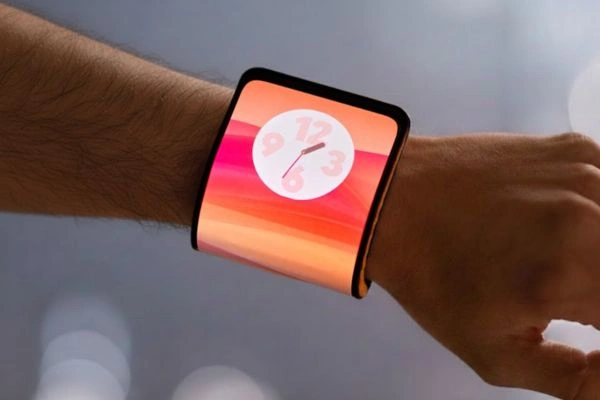
Among all the experimental devices shown at MWC, the Motorola wrist phone left a lasting impression. This fully flexible phone wraps around the wrist like a bracelet, blending smartphone and wearable into a single device.
Unlike the Rizr, it did not rely on motors or complex mechanisms. It simply bent around the wrist using flexible materials already under development.
Why It Never Became Real
Despite appearing achievable, the wrist phone faced serious challenges. Comfort was uncertain, battery placement was awkward, and durability raised concerns. More importantly, user habits still favor rigid devices that fit easily into pockets.
Motorola never announced plans to commercialize the idea, leaving it as one of the most intriguing what-ifs in MWC history.
Comparing Concepts Vs Products That Survived
Not all MWC ideas disappear. Some quietly evolve into successful products.
Why Some Products Fail
- Limited real-world value
- High cost with unclear benefits
- Fragile or overly complex hardware
- Weak software support or ecosystem
Why Others Endure
- Clear problem-solving
- Gradual improvement over existing devices
- Strong platform integration
- Realistic pricing and expectations
Foldable phones succeeded because they improved slowly and addressed real needs, rather than trying to replace everything at once.
Lessons Brands Keep Learning At MWC
Innovation Needs Patience
Groundbreaking ideas often require years of refinement. Launching too early can damage trust and slow adoption.
Hype Can Outrun Reality
A strong demo does not guarantee daily usefulness. Consumers care more about reliability than spectacle.
Ecosystems Matter
Devices that integrate smoothly with existing platforms stand a better chance than standalone experiments.
What To Expect From Upcoming MWC Launches
As the next show approaches, industry focus appears to be shifting toward:
- Practical AI features built into existing devices
- Refinements to foldables and wearables
- Connected car technology tied to phone ecosystems
- Sustainability and longer device lifespans
The industry seems more cautious, favoring steady progress over flashy concepts.
Frequently Asked Questions
Why Do So Many MWC Concepts Never Launch?
Many concepts exist to test reaction rather than sell. High production costs, durability concerns, and limited demand often stop them from becoming products.
Are Concept Devices A Waste Of Time?
No. Concepts influence future designs and help companies explore new ideas, even if they never reach consumers.
Is AI Hardware Still A Risky Category?
Yes. AI works best when integrated into existing devices. Standalone AI hardware still struggles to prove long-term value.
Do Wearables Still Have Growth Potential?
Yes, but growth depends on comfort, battery life, and clear benefits rather than novelty features.
Will Flexible Phones Replace Traditional Smartphones?
Unlikely in the near future. Foldables will continue to coexist with standard phones rather than fully replace them.
Where Innovation Is Tested Beyond the Spotlight
Mobile World Congress remains one of the most exciting stages in technology. It is where imagination meets engineering and where bold ideas are tested against reality.
Some products arrive too early and quietly disappear. Others plant seeds that grow years later in unexpected ways. Even when launches fade, they help shape the direction of future devices.
As new products take center stage, the real test is not how futuristic they look on the show floor, but how well they fit into everyday life once the crowds leave Barcelona and the spotlight moves on.